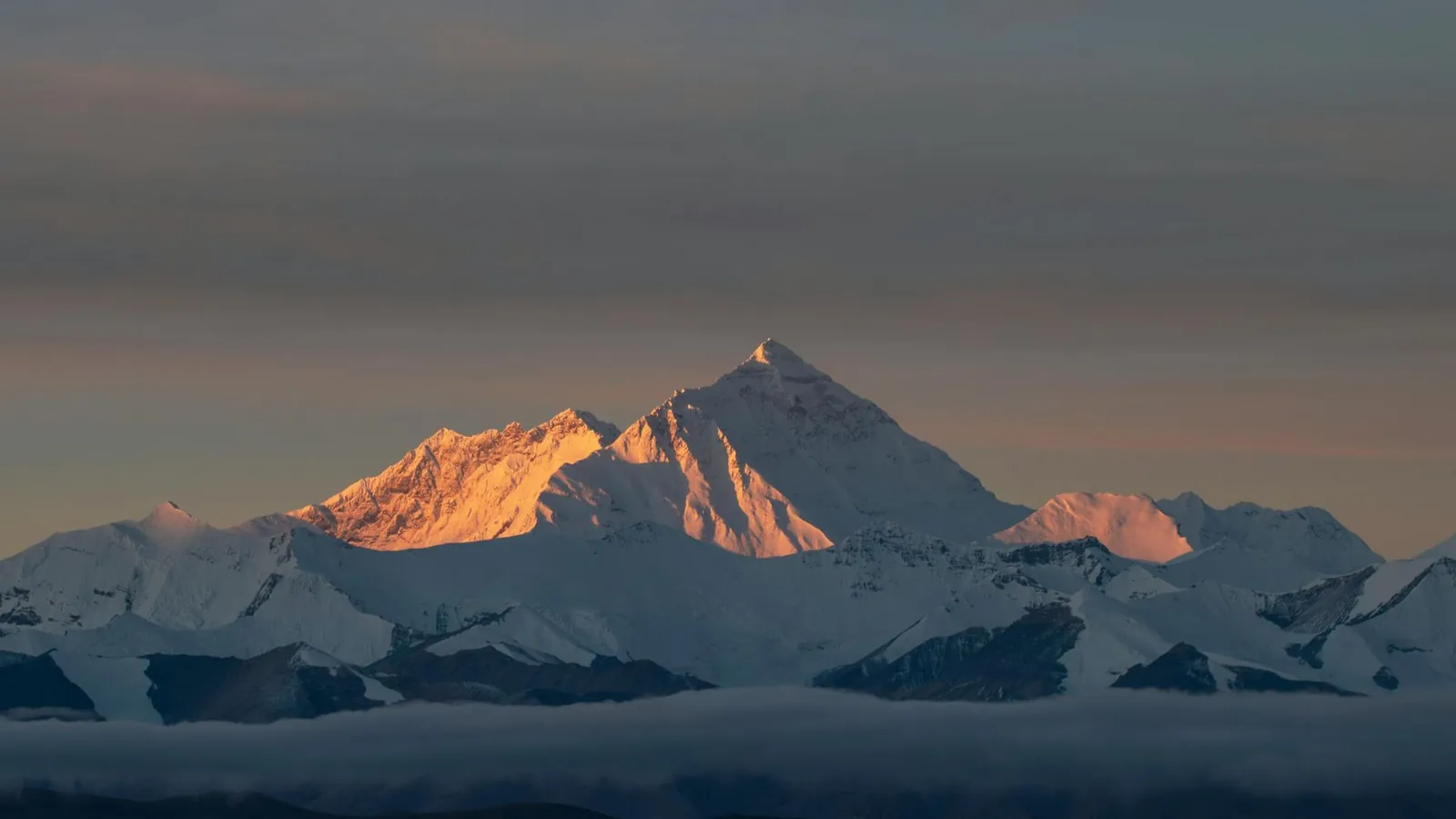
Standing at 5,364 metres above sea level, Everest Base Camp is the closest most people will ever get to the summit of the world's highest mountain. The trek to get there is one of the most iconic in the world — passing through Sherpa villages, Buddhist monasteries, rhododendron forests, and glacial moraines with Himalayan giants looming overhead at every turn.
The good news is that the EBC trek does not require technical mountaineering skills. It is a walk. A very long, very high-altitude walk. But with the right preparation, it is achievable for most people with a reasonable level of fitness. Here is everything you need to know before you go.
EBC Trek at a Glance
- Starting point: Lukla (2,860m), reached by flight from Kathmandu
- Highest point: Kala Patthar (5,545m) for the best Everest view
- Base Camp altitude: 5,364m
- Standard duration: 12–14 days from Lukla
- Best season: March–May and September–November
- Difficulty: Moderate to challenging (altitude, not terrain)
How Fit Do You Need to Be?
This is the most common question, and the honest answer is: fitter than you probably think. The main challenge is not the steepness of the trail — most of it is a well-maintained path — but the altitude. At 5,000+ metres your body is working with roughly half the oxygen it has at sea level. Activities that feel easy at home become genuinely hard up there.
You do not need to be an athlete. But you should be able to walk 15–20 km per day with a light pack, including some uphill sections, without feeling completely destroyed. If you cannot currently do that, you have training to do.
Training Plan: 3 Months Before Departure
Months 1–2: Build your base
- Walk or hike 4–5 days a week, starting at 1 hour and building to 3–4 hours
- Include elevation gain wherever possible — hills, stairs, inclined treadmill
- Add swimming or cycling for cardiovascular fitness without joint stress
- Work on core strength — planks, squats, lunges — to support your knees on downhills
Month 3: Simulate the trek
- Do multi-day hikes with an overnight pack (8–10 kg) to get used to the load
- Try to do back-to-back hiking days to build recovery fitness
- If you can access a high-altitude environment above 3,000m, spend a weekend there
- Break in your boots completely — blisters at EBC are miserable
Gear Checklist
You will be carrying a day pack of 8–12 kg while your main bag goes ahead with a porter or yak. Pack smartly — you want everything you might need during the day accessible, while the heavier items travel ahead.
Clothing (layering is everything)
- Moisture-wicking base layer tops and bottoms (2–3 sets)
- Fleece mid-layer jacket
- Down jacket (essential — temperatures drop below freezing at night)
- Waterproof and windproof outer jacket
- Waterproof trousers
- Trekking trousers (2 pairs)
- Warm hat and sun hat
- Balaclava or neck gaiter
- Gloves (thin liner + warm outer)
- Thick wool socks (4–5 pairs)
Footwear
- Sturdy ankle-supporting trekking boots (already broken in)
- Camp sandals or light shoes for teahouses
- Gaiters (useful in early spring or late autumn for snow)
Equipment
- Trekking poles — highly recommended, especially for the descent from Kala Patthar
- Sleeping bag rated to -10°C or colder (teahouses provide blankets but it gets cold)
- Headlamp with spare batteries
- Sunglasses with UV protection (crucial — snow reflection at altitude is intense)
- Sunscreen SPF 50+ and lip balm with SPF
- Water bottles (2 × 1 litre) or hydration bladder
- Water purification tablets or a filter (tap water is not safe to drink)
- Portable power bank
- Camera with spare batteries (cold drains batteries fast)
Health and medical
- Diamox (acetazolamide) — discuss with your doctor before the trip
- Ibuprofen and paracetamol
- Rehydration salts
- Blister kit and moleskin
- Personal prescription medications with extra supply
- Pulse oximeter — useful for monitoring blood oxygen levels
Permits Required
You need two permits to trek to Everest Base Camp, both available in Kathmandu or at the start of the trail in Lukla:
- TIMS Card (Trekkers' Information Management System): Required for all trekkers in Nepal. Costs approximately USD 20.
- Sagarmatha National Park Entry Permit: The national park that EBC sits within. Costs approximately USD 30.
Your tour operator will typically arrange these for you as part of the package.
Acclimatisation: The Most Important Thing
More trekkers have to turn back due to altitude sickness than any other reason. The standard EBC itinerary is already designed with acclimatisation days built in — rest days at Namche Bazaar (3,440m) and Dingboche (4,360m) are not optional extras. They are essential.
The golden rule of altitude trekking: climb high, sleep low. During acclimatisation days you hike up to a higher altitude and return to sleep at a lower one. This triggers your body to produce more red blood cells without the stress of actually sleeping at the higher altitude.
Watch for symptoms of Acute Mountain Sickness (AMS): persistent headache, nausea, vomiting, loss of appetite, dizziness, and fatigue. Mild symptoms are normal. If they worsen rather than improve after rest, the only treatment is descent. Do not push through serious AMS — it can escalate to life-threatening High Altitude Pulmonary Oedema (HAPE) or High Altitude Cerebral Oedema (HACE).
Signs You Need to Descend Immediately
- Difficulty walking in a straight line (ataxia)
- Extreme shortness of breath at rest
- Persistent cough with pink or frothy sputum
- Confusion or altered mental state
- Lips or fingernails turning blue
Teahouse Life: What to Expect
The EBC route is serviced by a network of teahouses — basic lodges that provide a bed, meals, and hot drinks. They are not luxury, but they are comfortable and part of the EBC experience. Expect shared bathrooms, limited electricity, and cold nights. WiFi is available at most teahouses (pay per use) but it is slow above Namche.
The food is simple but surprisingly good — dal bhat (lentil rice), noodle soups, pasta, omelettes, and plenty of hot tea. Avoid alcohol above 3,500m as it worsens dehydration and altitude sickness.
Best Time to Go
Pre-monsoon (March–May) is the most popular season. The weather is stable, views are clear, and the rhododendrons are in bloom. May is peak season with the most trekkers on the trail.
Post-monsoon (late September–November) offers clearer skies and crisper air after the monsoon clears the dust. October is the sweet spot — excellent visibility, manageable temperatures, and the trail feels less crowded than May.
Avoid December–February (extreme cold and snow on the passes) and June–August (monsoon brings rain, leeches, and poor visibility).